
Asset Management vs. Service Management: Key Differences and Best Practices Explained
Selecting the right management system can transform how businesses operate, helping them streamline processes and achieve sustainable growth. Whether your focus is maintaining physical assets or delivering customer-centric services, understanding the key differences between asset management and service management is essential. Let’s explore these systems and their best practices in detail.
Key Takeaways at a Glance
- Service Management emphasizes delivering and overseeing services to meet customer expectations.
- Asset Management prioritizes optimizing physical and digital assets to boost performance, longevity, and value.
- Asset Management is widely used in industries like manufacturing, energy, construction, and hospitality.
- Service Management is prevalent in sectors such as IT, healthcare, home services, and utilities.
- Many businesses achieve greater success by integrating both approaches to enhance efficiency and service quality.
What is Asset Management?
Asset management focuses on maximizing the value and performance of resources throughout their lifecycle. It covers everything from acquisition and maintenance to upgrades and disposal, ensuring assets remain efficient, reliable, and compliant.
Industries like manufacturing, utilities, and construction depend on Enterprise Asset Management (EAM) software to:
- Plan Maintenance: Preventive and predictive strategies to prevent failures.
- Schedule Work Orders: Streamline maintenance tasks for efficiency.
- Monitor Performance: Track asset health to maximize returns.
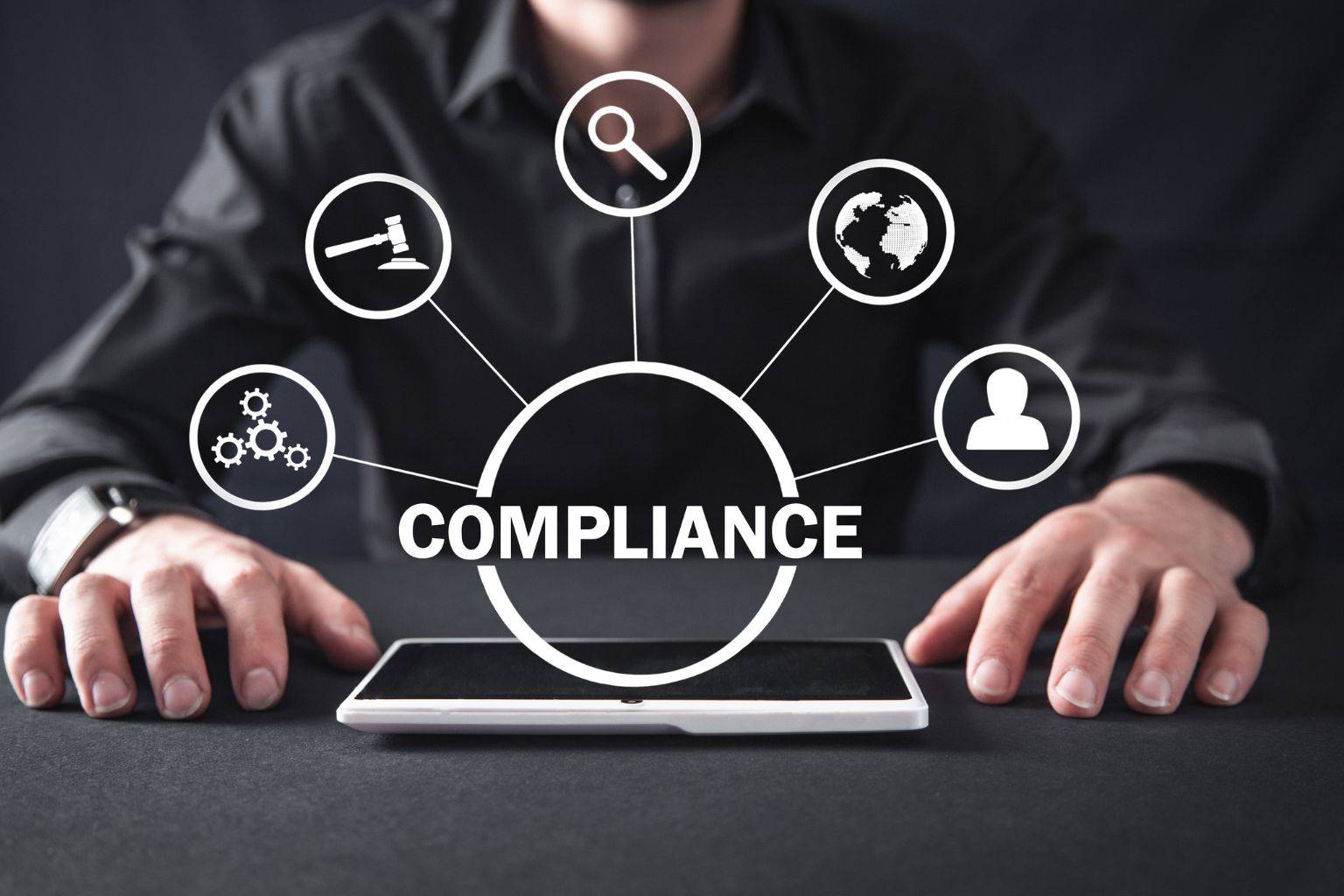
- Ensure Compliance: Maintain regulatory standards without delays.
Why Businesses Rely on Asset Management
For companies managing physical assets, EAM software does more than handle maintenance—it strengthens resilience, reduces expenses, and improves competitiveness.
Core Benefits of EAM:
- Reliability: Prevents breakdowns with proactive maintenance.
- Availability: Reduces downtime to keep operations running smoothly.
- Efficiency Optimization: Tracks performance to identify areas for improvement.
- Lifecycle Oversight: Monitors assets from acquisition to disposal.
- Regulatory Compliance: Keeps processes aligned with safety standards.
Combining ERP with EAM
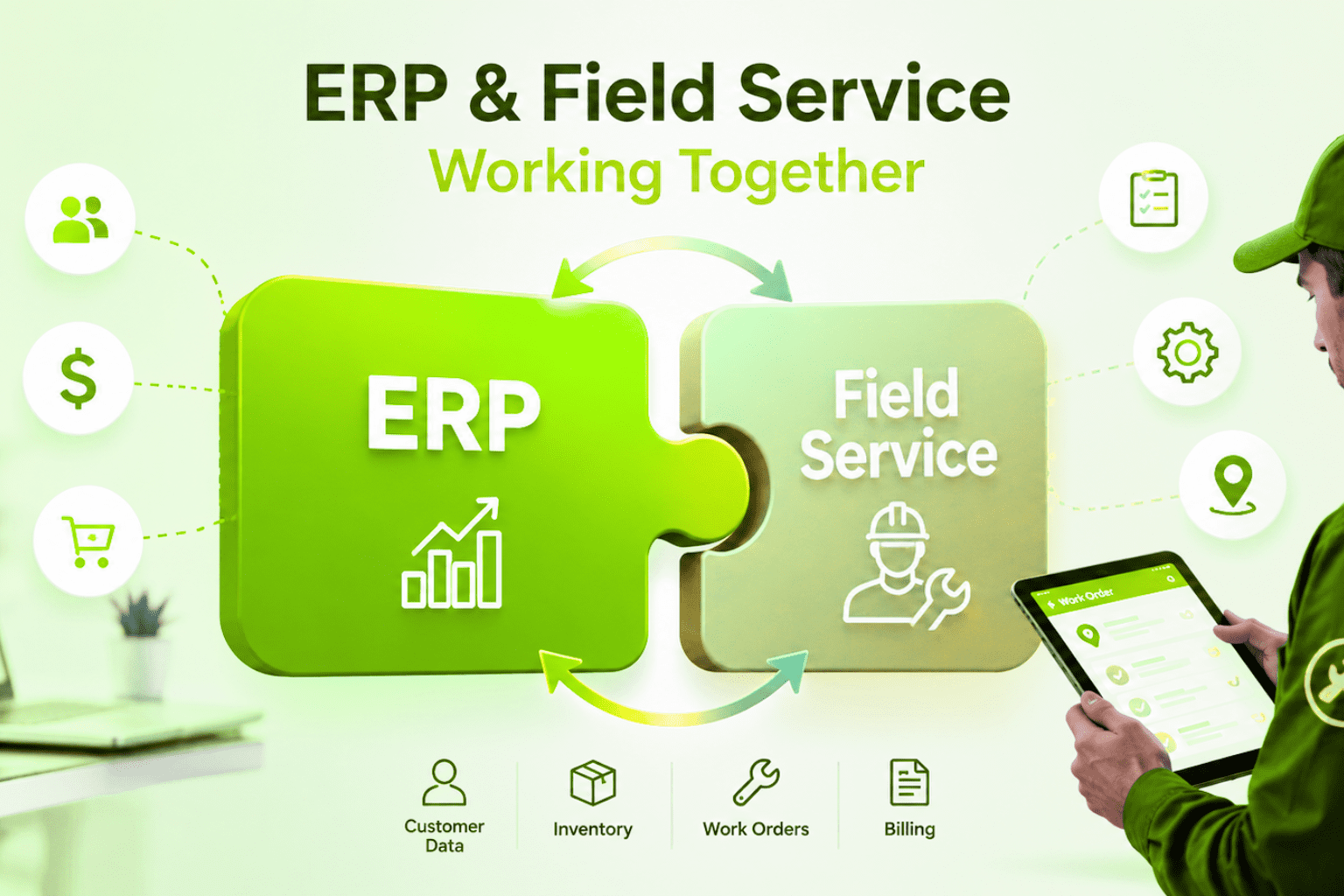
When Enterprise Resource Planning (ERP) and EAM systems are integrated, businesses gain a unified view of resources and operations. ERP focuses on finances and inventory, while EAM optimizes asset performance. Together, they enable smarter decision-making and improved workflows.