
ERP Synchronization
Align service execution with financial and enterprise systems.
Enterprise service organizations rely on ERP systems for financial management, stock valuation, contract administration, and reporting.
However, ERP systems are not designed to manage daily field service execution. They do not structure work orders in detail. They do not manage technician planning. They do not capture inspection forms or digital signatures in context.
Wello fills this operational gap by synchronizing structured service data with ERP environments.
The result is one consistent flow between service operations and finance.

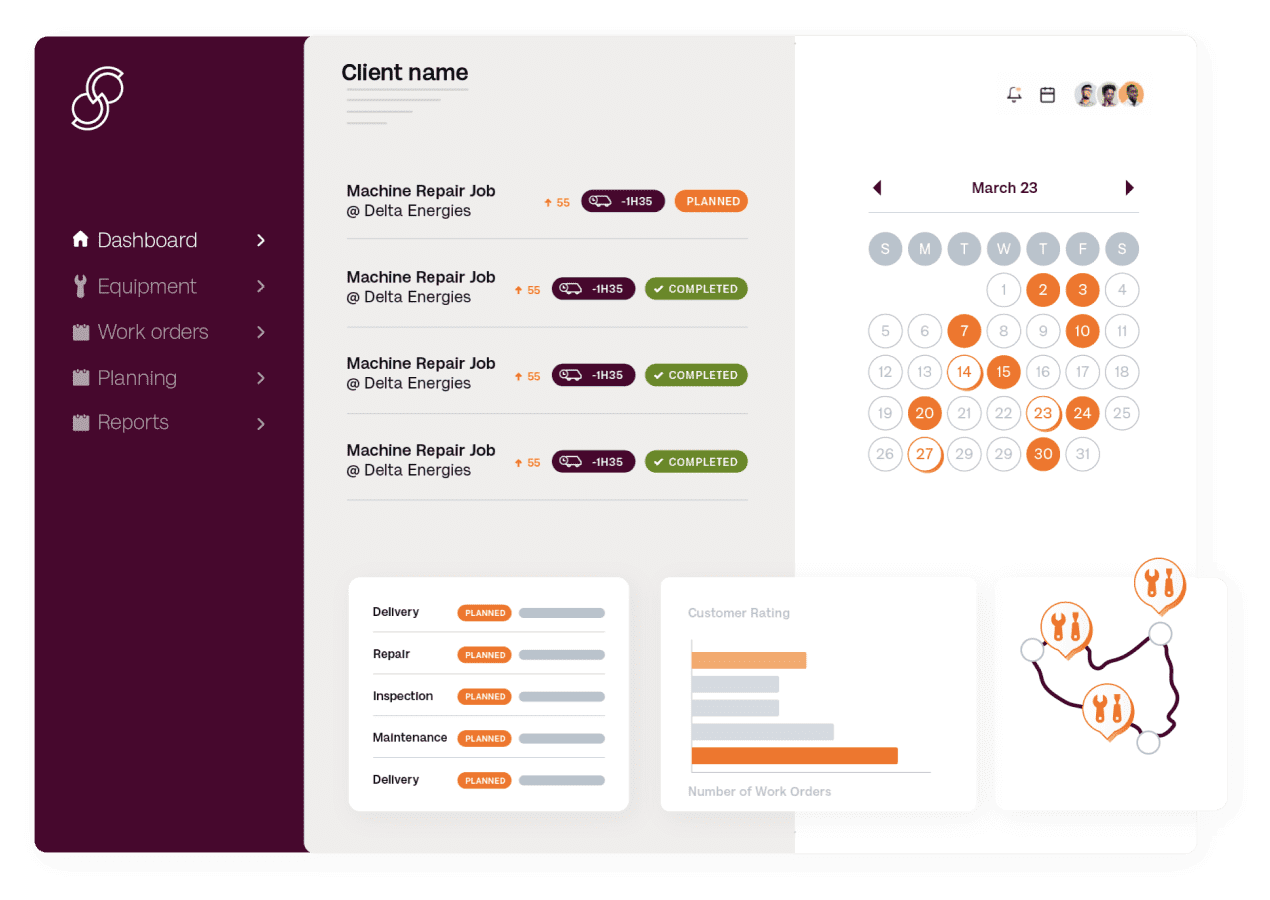
Operational execution connected to ERP logic
Service activity generates financial impact.
- Time registered influences billing.
- Parts used affect stock levels.
- Warranty status affects invoicing conditions.
- Contract coverage determines pricing.
When service execution and ERP operate separately, manual reconciliation becomes necessary.
Wello synchronizes relevant data so that work performed in the field reflects correctly inside the ERP system.
Service teams operate in a structured environment designed for execution.
Financial teams continue working within ERP.
Data remains aligned between both.
Reducing duplicate data entry
Without synchronization, information is entered twice.
- Technicians record work in one system.
- Administrators re-enter data into ERP.
- Stock adjustments are performed separately.
- Invoices are manually validated against service reports.
This increases workload and introduces risk.
By connecting work orders, parts usage, and contract conditions directly to ERP logic, Wello reduces manual duplication.
Operational data flows where needed without retyping or reformatting.
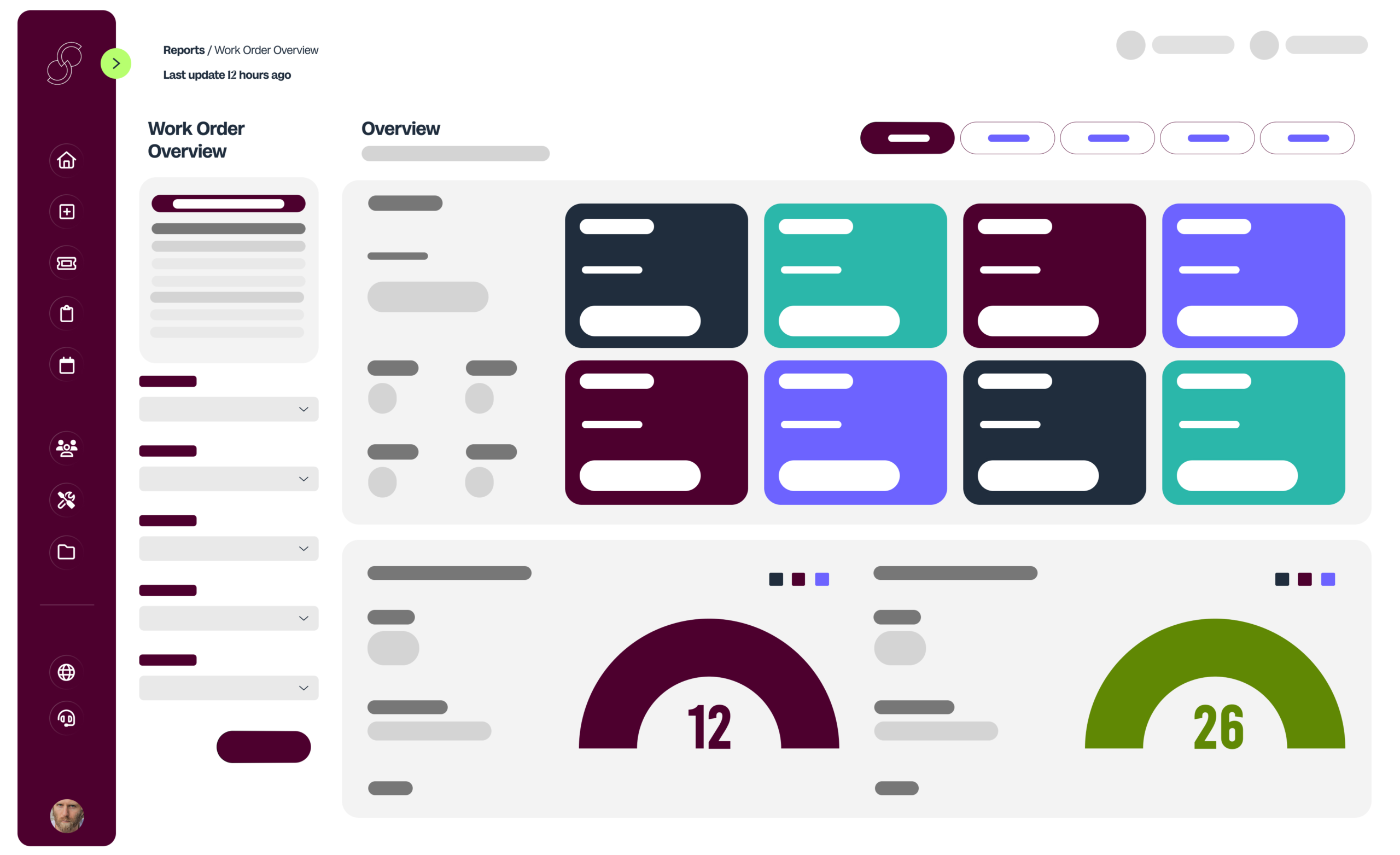
Stock and parts alignment
Inventory consistency is critical in asset-heavy environments.
When parts are consumed during service execution, ERP stock must reflect that change. When goods are received or transferred between warehouses, operational visibility must stay accurate.
Wello synchronizes stock-related data so that:
- Parts usage updates ERP inventory
- Stock levels remain reliable
- Financial valuation remains accurate
This prevents discrepancies between service teams and finance departments.
Contract and billing consistency
Without synchronization, information is entered twice.
- Different customers may have different pricing structures.
- Some work may be covered.
- Some parts may be chargeable.
- Discounts may apply.
When service execution is connected to ERP, billing reflects the agreed contract conditions automatically.
This reduces disputes and improves commercial transparency.
Structured integration, not system replacement
ERP systems remain the financial backbone of the organization.
Wello does not replace ERP. It provides the operational service layer that ERP systems typically lack.
Assets, planning, preventive maintenance, SLA logic, work order documentation, and technician execution remain structured inside Wello. Relevant financial and stock data synchronize with ERP.
Each system fulfills its role.
Supporting multi-region consistency
In organizations operating across regions or countries, ERP environments are often centralized while service execution is distributed.
Wello ensures that regional service teams work within one structured platform while financial consolidation remains aligned at ERP level.
Operational decentralization does not lead to financial inconsistency.
Reliable synchronization as part of daily operations
ERP synchronization is not a periodic export.
It is an integrated process that supports:
- Work order billing
- Parts consumption
- Contract conditions
- Stock movement
By embedding synchronization into daily workflows, Wello reduces friction between service, operations, and finance.
The objective is clarity, not complexity.