Enterprise Service Platform
Full equipment traceability across its entire service life.
As service organizations grow, systems tend to multiply.
Planning tools operate separately from work order systems.
Asset records sit outside the execution flow.
Contracts are managed in one place, documentation in another.
ERP systems hold financial data but lack operational context.
Over time, fragmentation increases.
Wello brings structure back into the service organization by connecting assets, planning, execution, contracts, inventory, and performance analysis inside one unified platform.
Not as separate tools.
As one system.

Built around the installation base
In asset-heavy industries, the installation base defines the business.
Machines are installed, maintained, inspected, repaired, and eventually replaced. Service contracts extend over years. SLA commitments are tied to specific equipment.
Compliance documentation must remain retrievable long after the job is completed.
Wello organizes operations around the asset lifecycle.
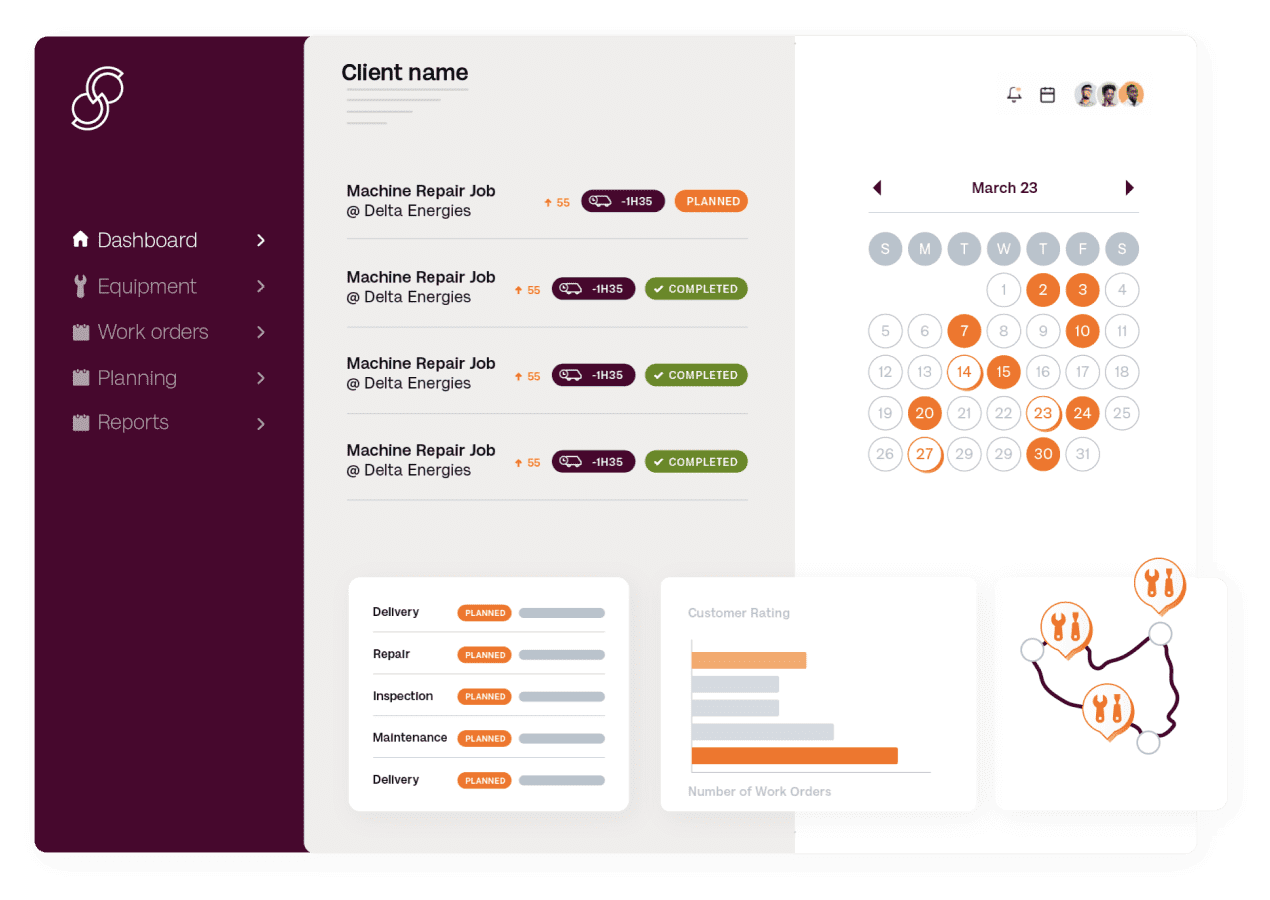
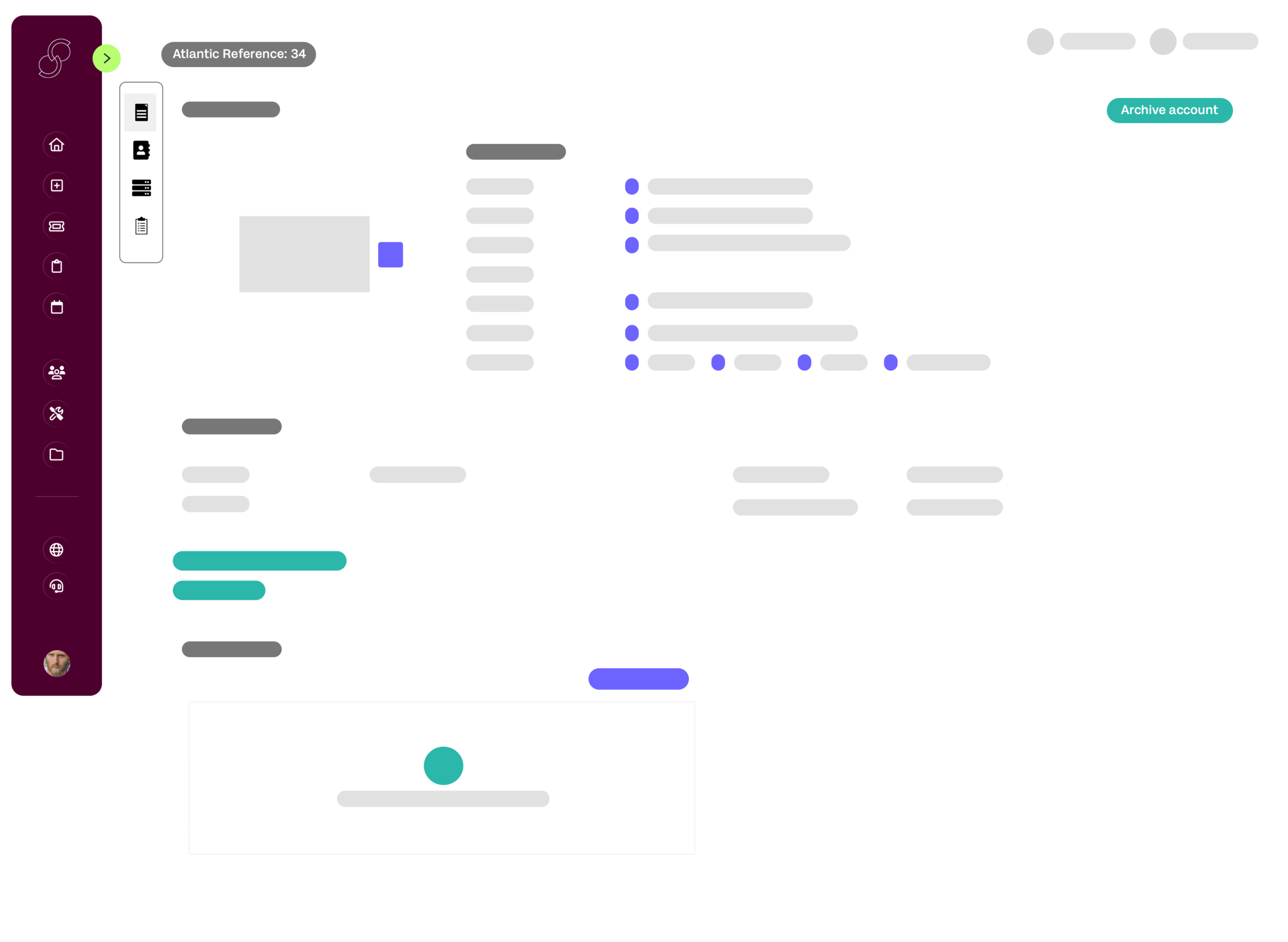
Each machine becomes a structured object connected to:
- Work orders
- Preventive maintenance plans
- Parts usage
- Service contracts
- SLA commitments
- Inspection records
- Performance history
Instead of managing tickets, the platform manages long-term service relationships.
Planning, execution, and control in one environment
Enterprise service requires coordination between planners, technicians, service managers, finance teams, and sometimes IT departments.
Wello connects these roles through a shared operational structure.
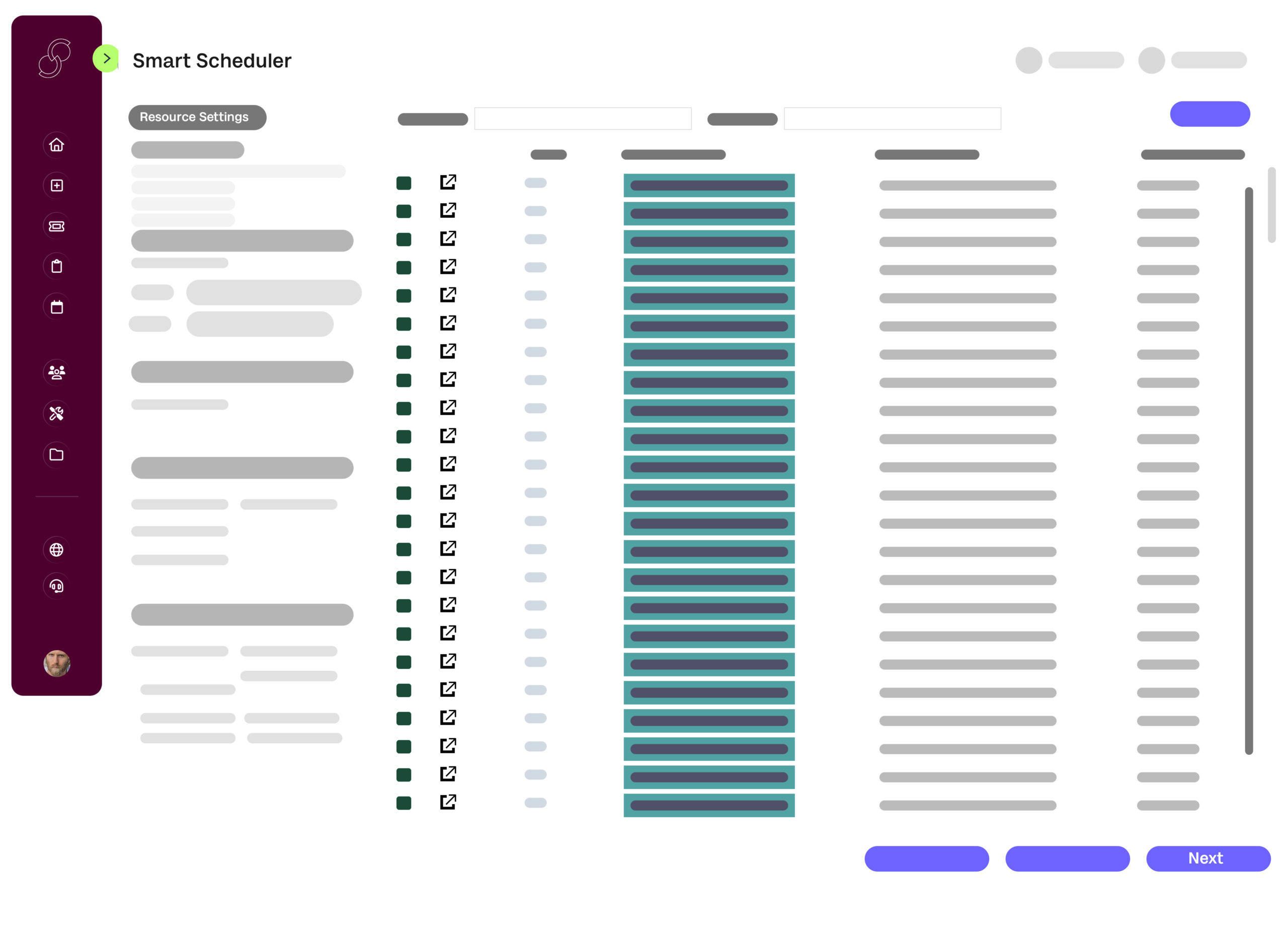
Planners assign work with visibility into technician skills and availability.
Technicians execute work inside the same system that stores asset history.
Managers monitor SLA performance and maintenance trends.
Commercial teams align billing with executed service activity.
Because all modules operate within the same platform, there is no need to reconcile parallel systems.
Operational control remains consistent.
Designed for multi-region service environments
When service teams operate across cities or countries, maintaining consistency becomes more difficult.
- Different branches develop different habits.
- Documentation quality varies.
- Planning processes diverge.
- Data becomes fragmented.
- Wello centralizes the operational structure while allowing regional execution.
- Assets remain part of one unified installation base.
- Work order formats remain consistent.
- SLA logic applies uniformly.
- Performance data can be analyzed across regions.
Growth does not require additional systems. The structure scales within the same environment.
Integrated with ERP and enterprise systems
Enterprise service organizations rarely operate without ERP.
Financial processes, inventory valuation, contract management, and reporting often depend on systems such as SAP, Business Central, or Exact.
Wello integrates operational service data with ERP environments so that:
- Parts usage aligns with stock levels.
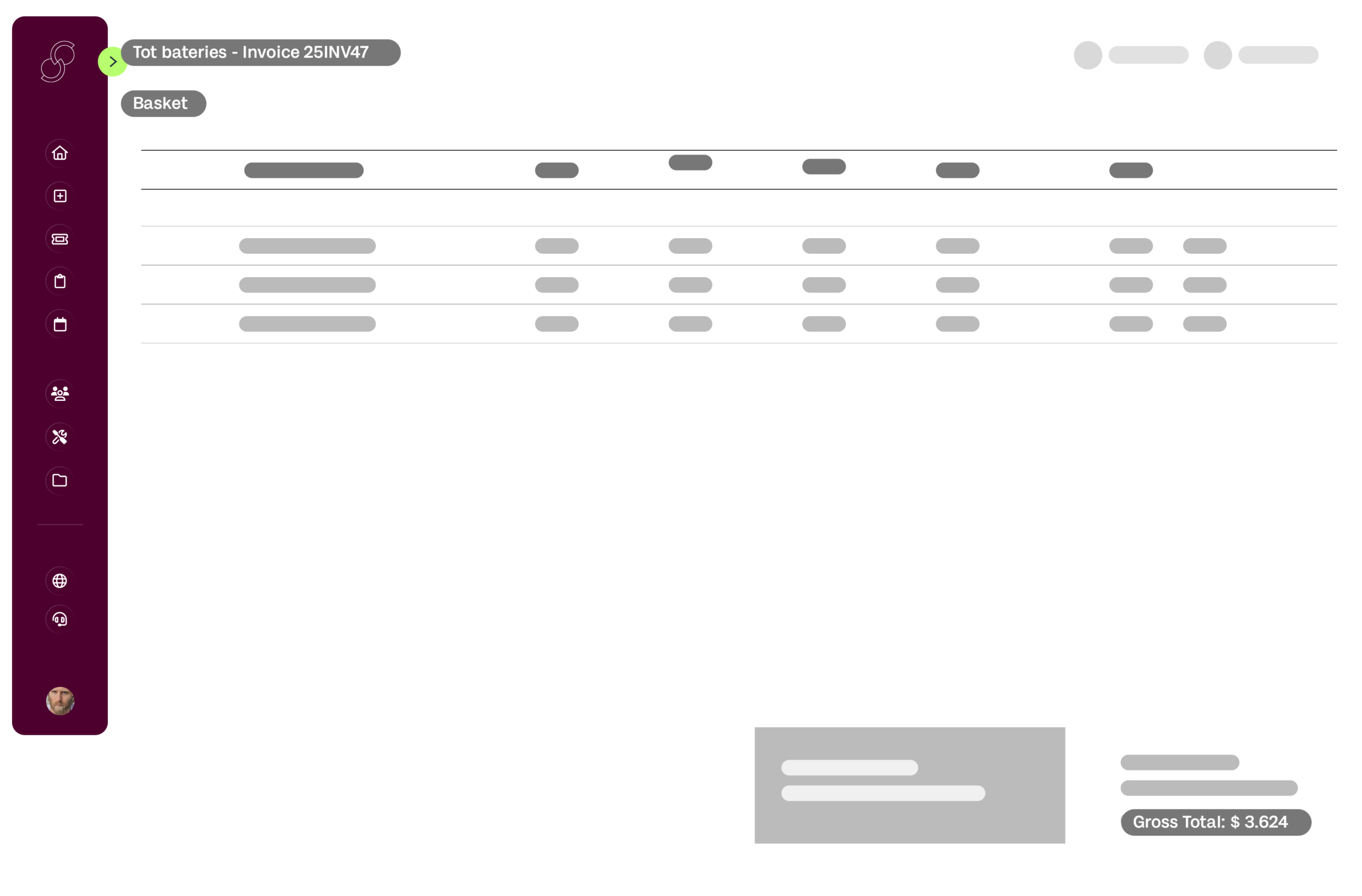
- Executed work aligns with invoicing.
- Warranty conditions influence billing logic.
- Service data supports financial transparency.
The platform does not replace ERP. It complements it by providing the operational layer that ERP systems typically lack.
Operational visibility without manual reconstruction
Service performance depends on reliable data.
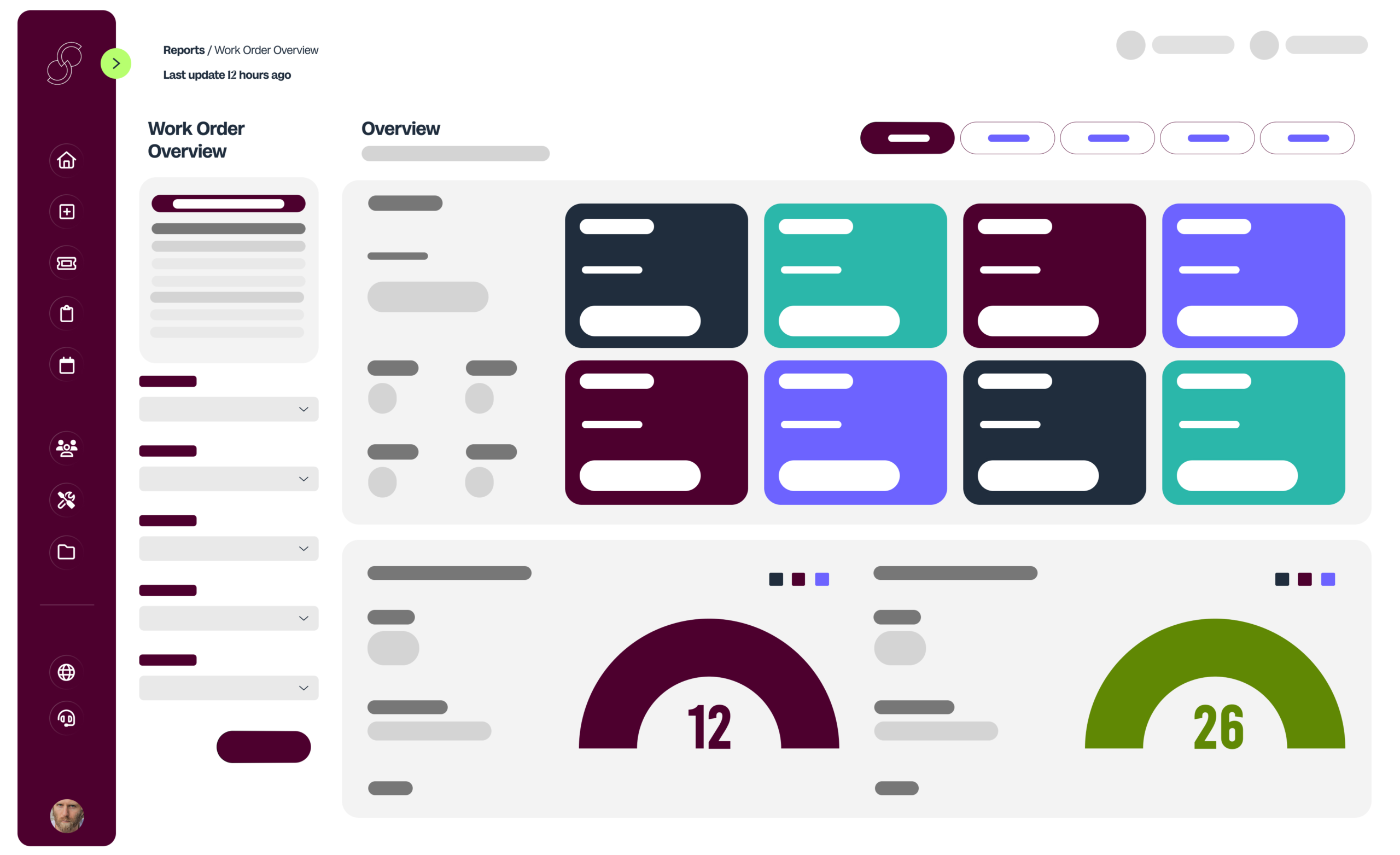
Mean Time to Repair, first-time fix rates, SLA compliance, recurring failures, and workload distribution all require structured documentation.
Because planning, execution, asset history, and parts usage are connected within one platform, performance analysis does not depend on manually combining data from multiple tools.
Managers work with live operational data rather than periodic summaries.
Stability through structure
Enterprise service operations require consistency.
- Technician teams change.
- Installation bases expand.
- Contracts evolve.
- Regulations tighten.
When the underlying structure is stable, these changes remain manageable.
Wello provides a single operational backbone that supports asset lifecycle management, planning, execution, compliance documentation, and performance insight within one controlled environment.
The result is not more software. It is fewer disconnected systems.