
As 2026 approaches, the field service industry stands at the brink of significant change, fueled by rapid advancements in technology. For business owners in this sector, staying ahead of emerging trends is not just advantageous—it’s crucial for maintaining a competitive edge. With customer expectations rising and the challenge of replacing skilled technicians becoming more pronounced, technologies such as artificial intelligence (AI), machine learning, augmented reality (AR), and virtual reality (VR) are set to play a pivotal role in field service operations. This guide offers insights into the key trends that will shape the landscape of field service management in 2026, helping your business remain resilient and forward-thinking.
The Importance of Keeping Up with Field Service Trends
Staying informed about the latest trends in field service management is essential for optimizing operations, improving service delivery, and ensuring customer satisfaction. In a rapidly evolving market, being aware of and adopting these trends can be the difference between thriving and falling behind.
Key Trends Shaping the Future of Field Service Management
Field Service Mobility
In today’s digital era, mobile capabilities are indispensable for field service teams. Mobile field service management apps allow technicians to access vital information, update job statuses, and communicate seamlessly while on the move. This trend ensures that your team stays connected and responsive, leading to quicker issue resolution and enhanced customer satisfaction.
How It Works:
- Technicians can perform remote diagnostics and access real-time data via mobile devices.
- Job statuses can be updated in real-time, reducing errors and streamlining workflows.
AR and VR Integration
The integration of AR and VR technologies is transforming the field service industry, particularly in training and troubleshooting. With AR overlays or VR simulations, technicians can diagnose and resolve equipment issues more effectively, minimizing the need for extensive training and speeding up the onboarding process. These immersive technologies enhance problem-solving capabilities and reduce service times.
How It Works:
- AR and VR tools provide step-by-step, real-time instructions overlaid on actual equipment, guiding technicians through complex repairs.
- Devices like smart glasses or AR-enabled tablets help technicians visualize solutions, reducing the need for expert on-site visits.
Blended Workforce Models
The future of field service will increasingly rely on a blended workforce that integrates human expertise with advanced technological tools. By strategically combining the skills of experienced technicians with the efficiency of automated systems, businesses can create a more effective and adaptable service delivery model. This approach maximizes productivity and service quality by leveraging both human intuition and machine precision.
How It Works:
- Evaluate the strengths and skills of your technicians and integrate automation that complements their abilities.
- Utilize shared databases and real-time collaboration tools to enhance teamwork between human experts and AI-driven systems.
AI-Driven Platforms
Artificial intelligence is revolutionizing field service management by optimizing operations, reducing downtime, and improving service quality. AI-driven platforms are no longer optional but essential for businesses aiming to stay competitive. These platforms leverage advanced algorithms to predict service needs, optimize schedules, and provide actionable insights, ensuring that issues are addressed proactively.
How It Works:
- AI platforms continuously monitor business data, predicting future service demands and adjusting schedules in real time.
- These platforms provide decision-making support by processing complex datasets and delivering insights that help technicians work more efficiently.
Scheduling and Route Optimization
With the dual challenge of rising customer expectations and a shrinking pool of skilled workers, effective scheduling and route optimization are becoming increasingly important. Automated scheduling systems ensure that the right technician is dispatched with the appropriate tools at the optimal time, reducing operational costs and minimizing the risk of errors. This trend is set to be a significant competitive advantage for field service companies in 2026.
How It Works:
- Scheduling software leverages real-time traffic and weather data to optimize technician routes and improve service delivery times.
- Automated systems dynamically allocate tasks, ensuring a balanced workload among technicians and reducing the likelihood of missed appointments.
Predictive Maintenance
Predictive maintenance uses data analytics to anticipate equipment failures before they happen, enabling proactive repairs. This approach reduces downtime, extends asset lifespans, and enhances overall service reliability. By shifting from reactive to predictive maintenance, businesses can avoid costly breakdowns and improve customer satisfaction.
How It Works:
- Historical and real-time data from sensors and performance records are analyzed to predict when maintenance is needed.
- Technicians can access diagnostic information remotely, enabling timely interventions that prevent service disruptions.
Safety Prioritization
Prioritizing safety is becoming increasingly important in field service management. Ensuring compliance with industry standards and protecting technicians is vital not only for regulatory reasons but also for building a reputation as a responsible and trustworthy service provider. Integrating IoT devices and wearables that monitor environmental conditions and technician health can help businesses create safer working environments and reduce operational risks.
How It Works:
- IoT devices provide real-time data on environmental conditions, helping to identify and mitigate potential hazards.
- Wearables monitor technician health, providing alerts when conditions become unsafe, thereby preventing accidents and injuries.
Mobile-First Field Service Solutions
Field technicians spend most of their day traveling between customer locations, handling service requests, inspecting equipment, and resolving issues on-site. To make daily operations smoother, Wello Solutions offers a mobile-friendly field service platform that helps technicians stay connected and organized while working in the field.
With Wello Solutions, technicians can manage their tasks directly from their mobile devices without relying on paperwork or constant calls to the office. The platform gives them quick access to the information they need to complete jobs efficiently and provide better customer service.
Using Wello Solutions, field teams can:
- Plan routes more effectively
- Receive real-time job updates and notifications
- Access customer details and service history while on-site
- View customer locations for easier navigation
- Communicate with customers through the mobile app
- Access product information and troubleshooting guides anytime
By keeping field teams informed and connected throughout the day, Wello Solutions helps businesses improve response times, reduce delays, and make field service operations easier to manage.
Low-Code/No-Code Integrations
Managing daily field operations can become difficult when businesses use multiple systems from different vendors. These disconnected tools often create delays, increase maintenance efforts, and make it harder to access accurate information in real time.
To simplify these challenges, many businesses are now using low-code and no-code platforms within their field service operations.
Platforms like Dista help organizations:
- Adjust field service workflows based on their needs
- Make process changes without complex development work
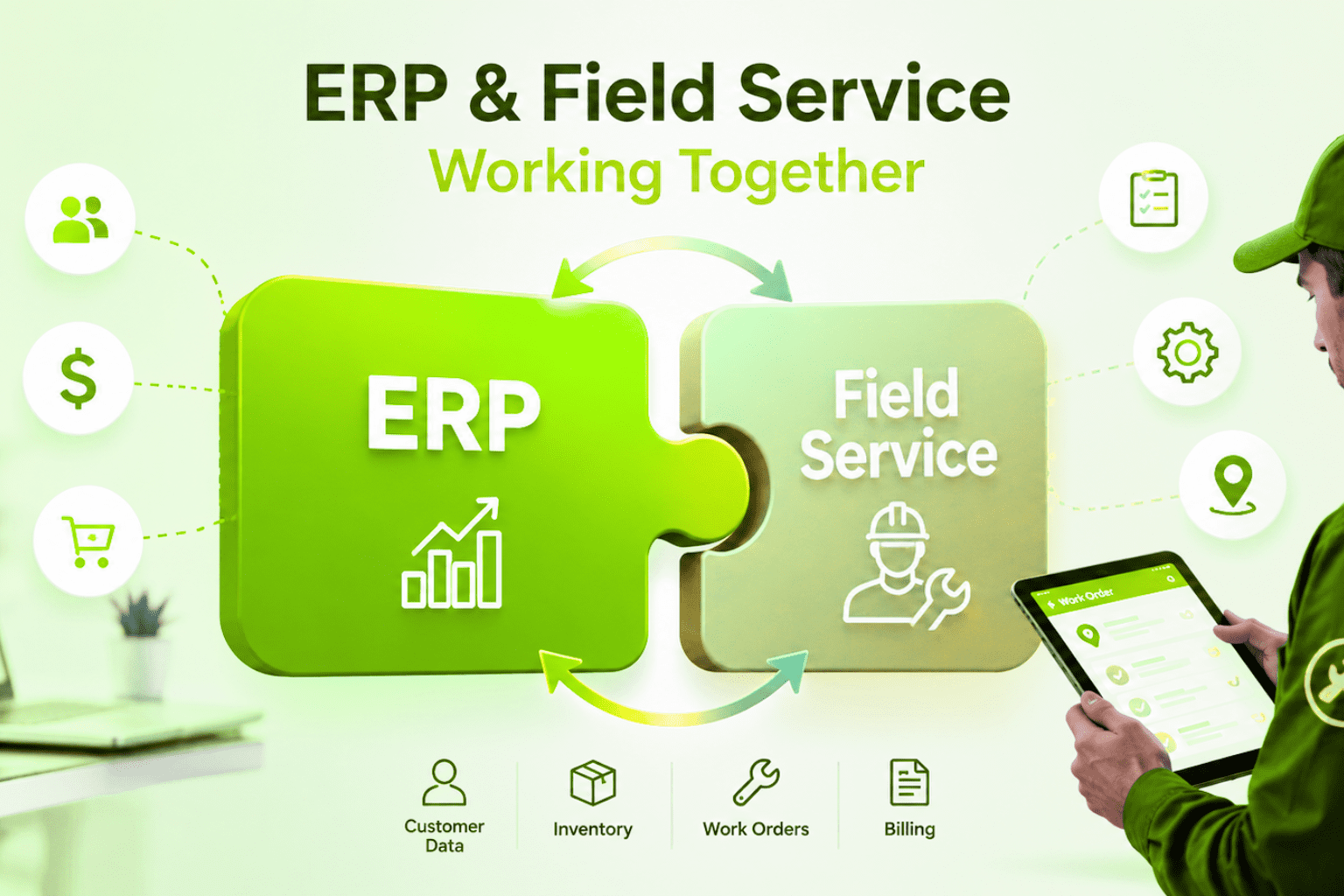
- Connect FSM software with CRM and ERP systems
- Introduce new service processes more quickly
This flexibility allows teams to adapt to operational changes faster while reducing dependency on technical support teams.
Emphasis on Knowledge Management
In a field where expertise is critical, effective knowledge management is essential for maintaining high service standards. Investing in platforms that facilitate knowledge sharing among technicians ensures that valuable insights and experiences are retained within the company, even as employees retire or move on. This trend helps businesses maintain consistent service quality while reducing the need for repetitive training.
How It Works:
- Knowledge management platforms allow technicians to document and share their experiences, creating a repository of best practices.
- These platforms foster collaboration and continuous learning, enabling technicians to solve problems more efficiently and effectively.
As we approach 2026, staying ahead of these field service management trends is more than just an option—it’s a strategic necessity. By embracing these innovations, field service businesses can enhance their operational efficiency, boost customer satisfaction, and secure a competitive position in the market.
Now is the time to invest in the right technologies and strategies to confidently navigate the evolving landscape of field service management, ensuring long-term success and resilience.