Data Sovereignty
Maintain control over your operational service data.
Service organizations manage sensitive operational information.
- Asset records.
- Inspection documentation.
- Customer contracts.
- SLA performance data.
- Technician activity.
- Component traceability.
In regulated and enterprise environments, it is not enough for data to be stored securely. It must remain under clear jurisdiction and structured governance.
Wello is designed to ensure that operational service data remains controlled, protected, and accessible under European data standards.

European jurisdiction and governance
Wello operates under European data protection frameworks.
This means that operational service data is handled in alignment with GDPR and EU regulatory standards.
For organizations operating within Europe or serving European customers, this provides clarity on jurisdiction and compliance obligations.
Data remains subject to European legal structures rather than uncertain external governance models.
Clear data ownership
Operational data belongs to the service organization.
Asset history, work order records, inspection documentation, and contract information remain under the control of the customer.
Wello provides structured access and storage, but data ownership remains clearly defined.
There is no ambiguity about who controls service information.
Role-based access control
Enterprise environments require controlled access.
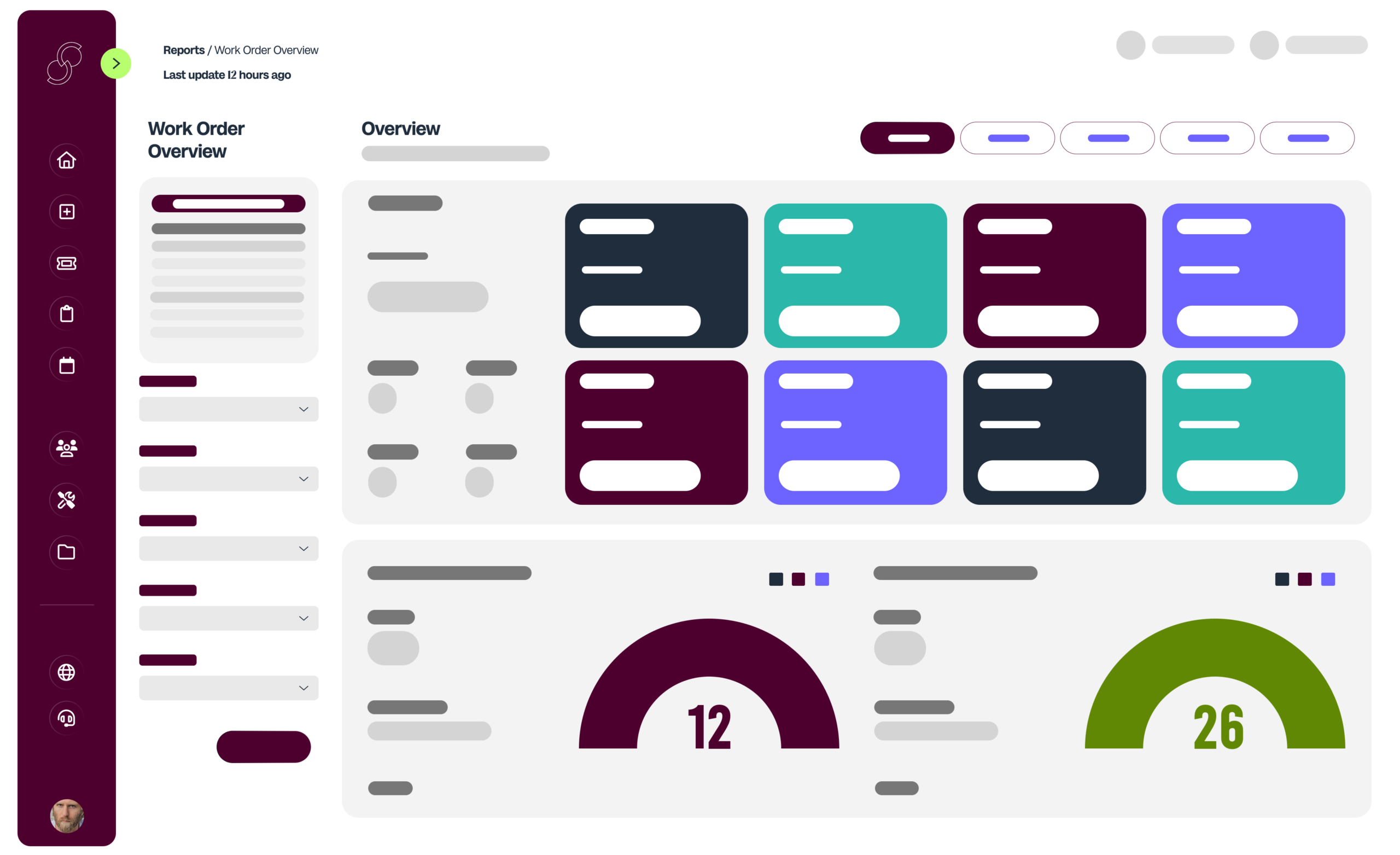
Wello supports role-based permissions so that users see only what is relevant to their function.
Technicians access assigned work orders.
Planners access scheduling views.
Managers access reporting.
Customers access only their own assets through the portal.
Data exposure is limited according to defined roles.
This prevents unnecessary visibility and supports internal governance policies.
Structured data protection within operations
Data protection is not limited to storage location. It also relates to how information is handled during daily operations.
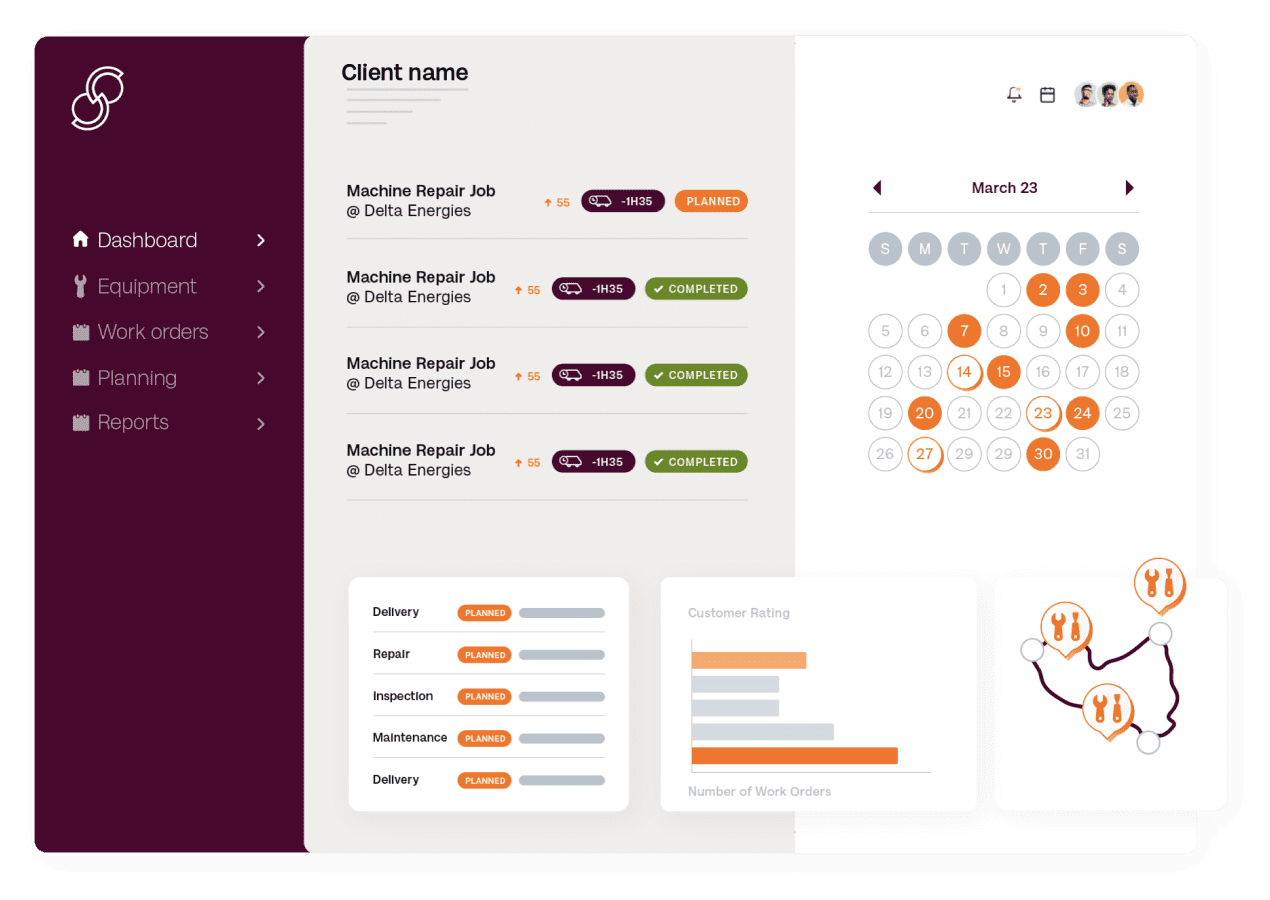
Because Wello connects assets, work orders, contracts, and reporting within one structured platform, data does not need to be exported repeatedly between tools.
Fewer manual transfers reduce the risk of uncontrolled copies and fragmented storage.
Operational information remains centralized.
Controlled integration with enterprise systems
Many service organizations operate alongside ERP and Business Intelligence environments.
Wello supports structured synchronization and controlled integration so that operational data can align with financial systems without uncontrolled duplication.
Data exchange follows defined processes rather than ad hoc exports.
This maintains consistency between operational and financial records.
Stability for long-term service records
Asset lifecycle data often needs to remain accessible for many years.
Maintenance history, inspection documentation, and component traceability may be required long after the original intervention.
Wello structures service data so that historical records remain retrievable as installation bases evolve.
Continuity supports both operational stability and compliance obligations.
Data control as part of structured service management
Data Sovereignty in Wello is not an isolated security feature.
It is the result of:
- Clear jurisdiction
- Defined access control
- Structured data architecture
- Integrated operational workflows
Service organizations retain control over their operational records while maintaining alignment with European governance standards.