
AI-Powered Maintenance
Predict issues. Optimize planning. Improve performance visibility.
Service teams generate large volumes of operational data every day. Work orders, inspection results, parts usage, technician notes, photos, and scheduling history all contain valuable signals.
Wello uses artificial intelligence directly on this structured service data to support maintenance decisions, planning efficiency, and performance analysis.
The focus is practical. Better insight. Less manual analysis. Stronger operational control.

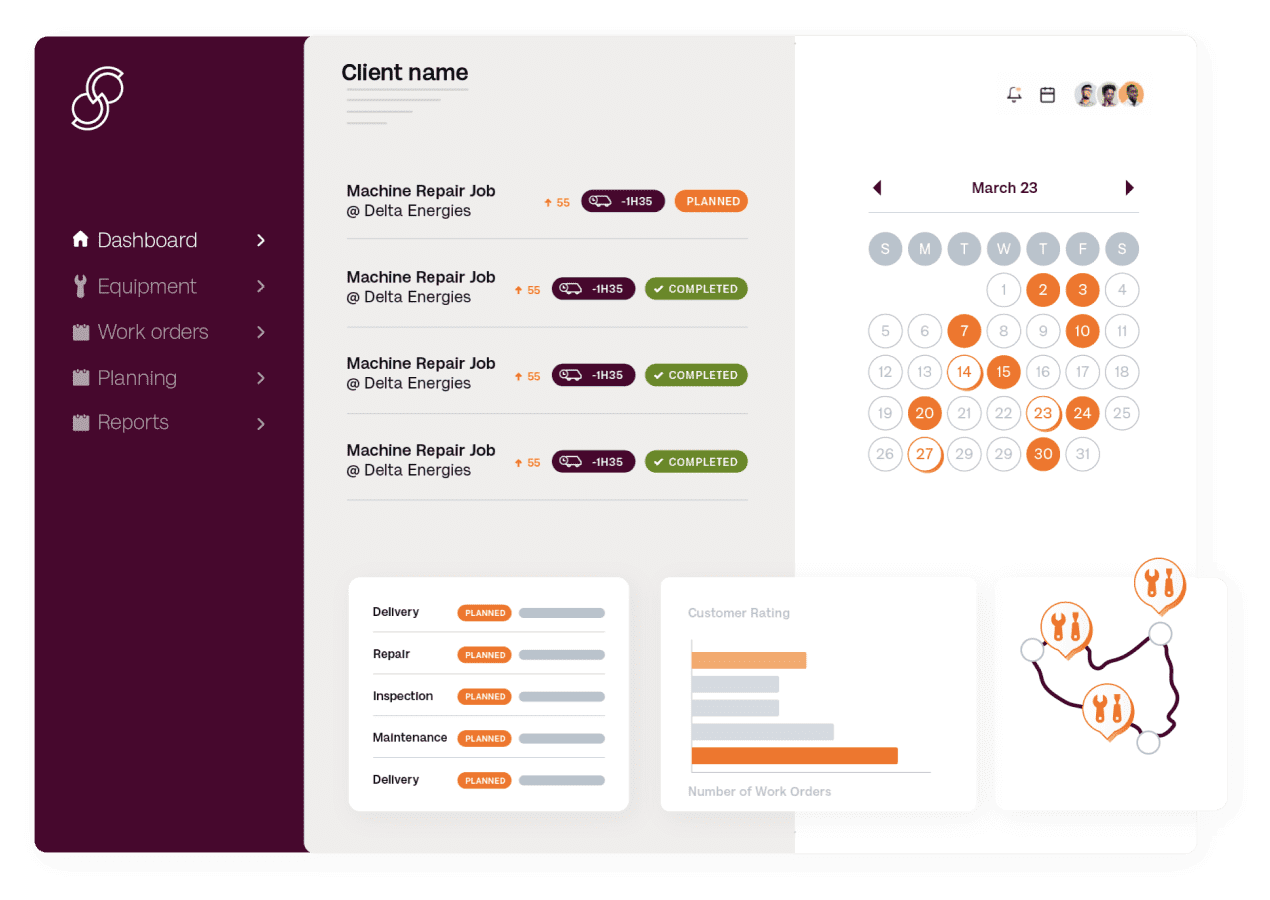
Predictive maintenance based on real execution data
Wello analyzes historical work orders, inspection values, and parts consumption to detect recurring patterns.
This includes:
- Repeated component replacements
- Abnormal failure frequency
- Assets requiring earlier intervention than expected
- Trends in inspection measurements
Instead of relying only on fixed maintenance intervals, service managers can adjust schedules based on real performance history.
Maintenance planning becomes informed by documented execution, not assumptions.
AI-supported planning optimization
As technician teams grow, planning becomes harder to balance. Travel time, job duration, SLA pressure, and skill requirements all influence daily scheduling.
Wello analyzes historical data such as:
- Actual job duration per work type
- Travel patterns across regions
- Technician workload distribution
- Booking behavior over time
Based on this data, the system provides planning suggestions that help:
- Improve daily capacity utilization
- Reduce unnecessary travel
- Balance technician workload
- Anticipate scheduling pressure
Planners remain in control. The system provides structured insight to support decisions.
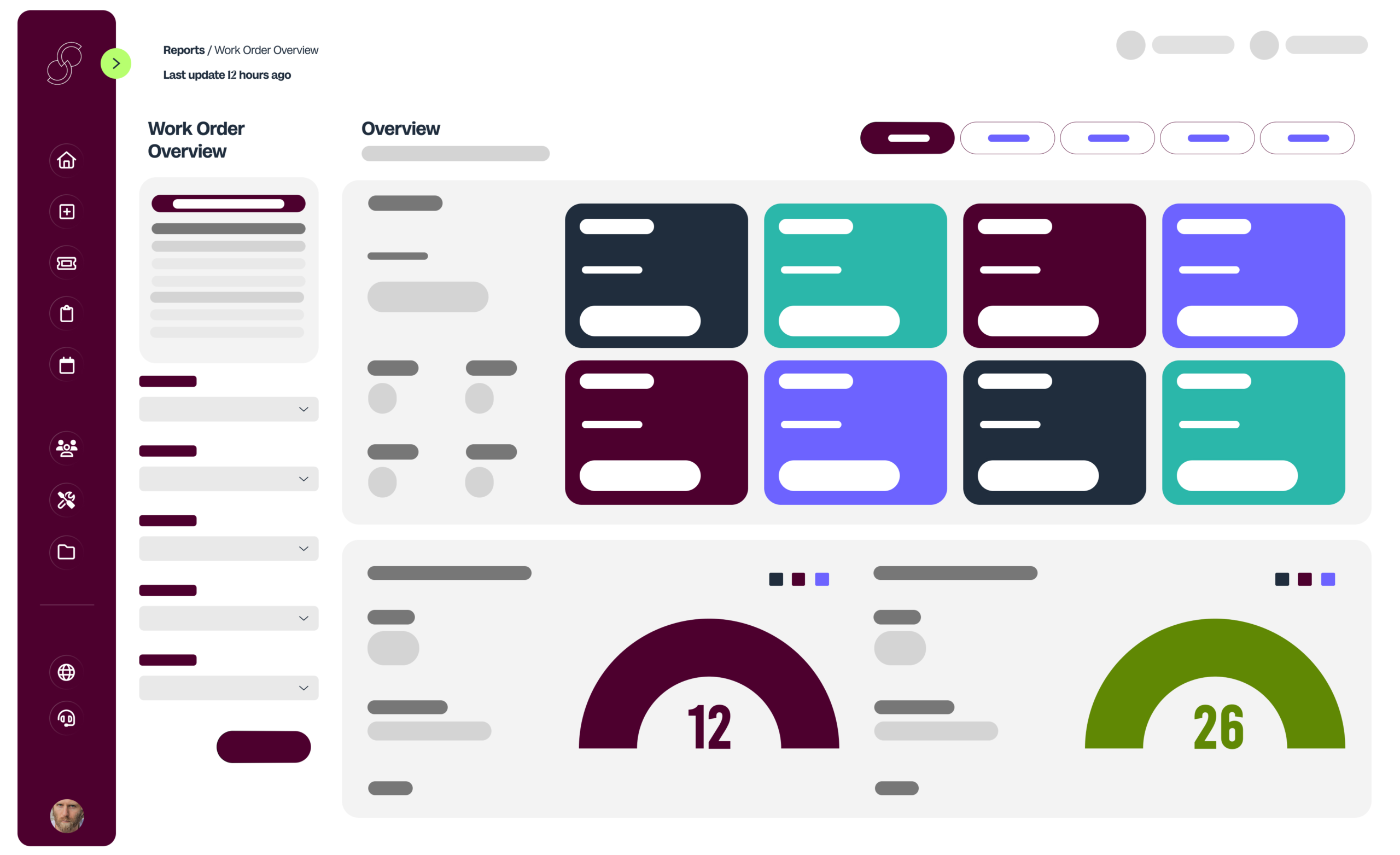
Image analysis inside the work order
Technicians regularly attach job photos. These images often contain visible indicators of wear, damage, corrosion, or installation issues.
Wello’s image analysis reviews job photos to detect visual similarities across service cases. When recurring visual patterns appear, the system can highlight them for further review.
This adds an additional layer of technical awareness, especially in environments where asset condition evolves gradually over time.
AI-powered operational intelligence
Beyond individual assets, Wello continuously analyzes overall service performance.
This includes trends in:
- Mean Time to Repair
- First-time fix rate
- SLA compliance
- Parts consumption
- Technician performance consistency
Instead of manually building reports, managers gain structured insight directly inside the system.
Operational visibility improves without increasing reporting workload.
Integrated inside the same service platform
AI-Powered Maintenance is not a separate analytics tool.
It operates within the same structured environment that manages:
- Assets
- Work orders
- Preventive maintenance plans
- Planning and dispatch
- Parts usage
Because the analysis is built on real service data inside the platform, insights remain directly connected to daily operations.
From stored data to practical decisions
When operational data is analyzed consistently:
- Maintenance intervals can be refined
- Recurring failures become visible earlier
- Planning assumptions become more accurate
- Performance gaps are easier to identify
AI in Wello supports structured service management. It helps organizations use the data they already collect to improve maintenance quality and planning stability.