
Operational Planning
Plan capacity. Control dispatch. Reduce travel.
Wello brings structure to planning without adding complexity.
As service operations expand across regions, planning becomes one of the most demanding parts of daily operations. What works for five technicians does not work for fifty. What works in one city does not scale across countries.
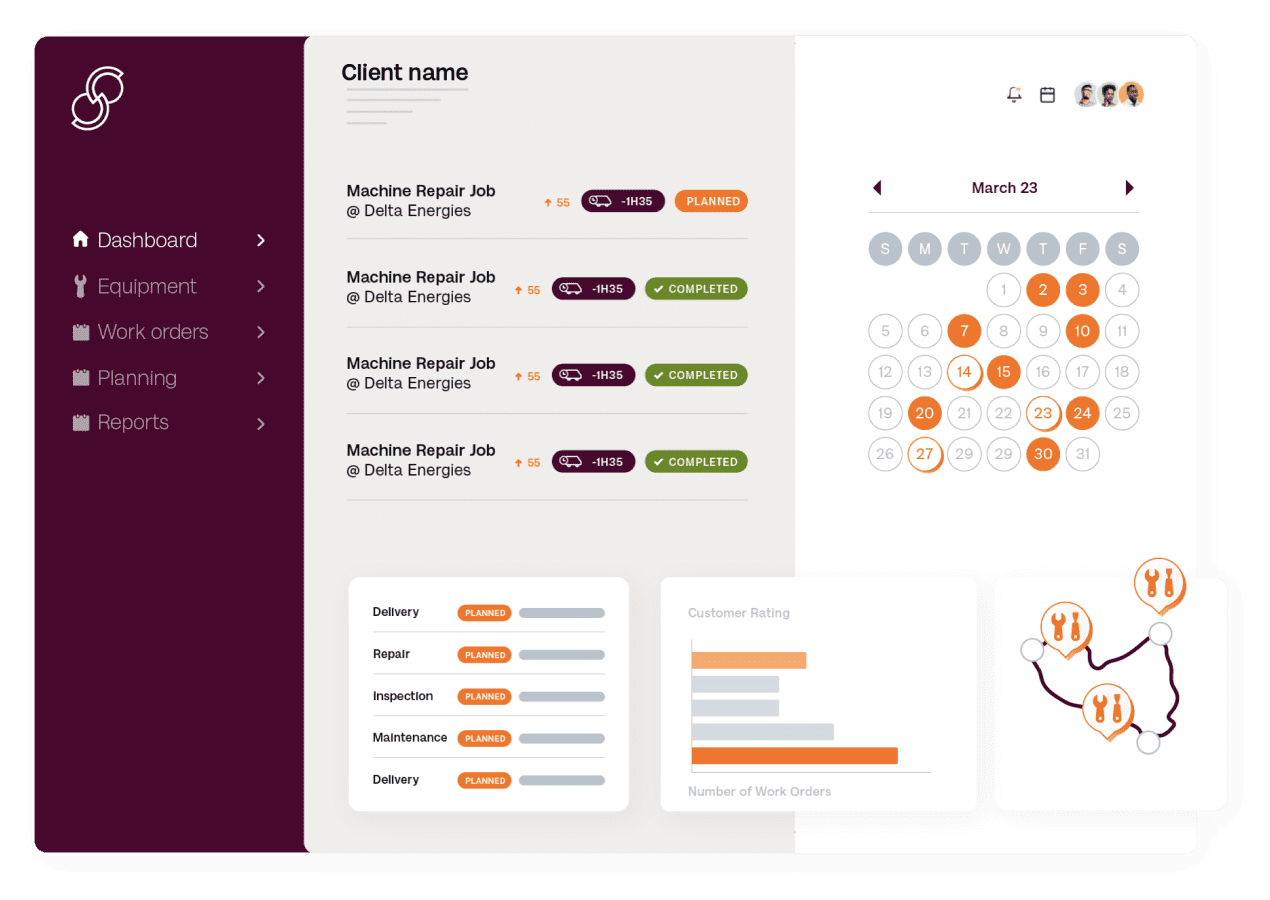
Every technician, every open work order, every time slot, and every SLA constraint is visible inside one centralized planning environment. Instead of switching between spreadsheets, calendars, and ERP screens, planners work from a single operational view.

Planning without fragmentation
In many organizations, planning becomes reactive as the team grows.
- A technician calls in sick.
- An urgent job appears.
- A contract deadline approaches.
- Travel time is underestimated.
Small adjustments begin to create larger gaps. Schedules are reshuffled manually. SLAs are monitored separately. Travel routes are estimated instead of calculated.
Wello keeps planning structured and transparent.
The planning board provides a live overview of technician availability, assigned work, open capacity, and time pressure. Planners can adjust schedules visually and immediately see the impact. There is no hidden data. There is no separate system to update.
Planning becomes controlled rather than reactive.
Matching work to the right technician
In machine-centric service environments, assigning the wrong technician is costly.
Skills differ. Certifications matter. Experience levels vary.
Wello allows technician qualifications to be defined clearly within the system. When assigning work, planners can see which technicians meet the technical requirements of the job.
This reduces reassignments and prevents unnecessary second visits.
The goal is simple: the right technician, at the right time, for the right equipment.
Managing SLA pressure without guesswork
Service Level Agreements are not theoretical. They are time-bound commitments.
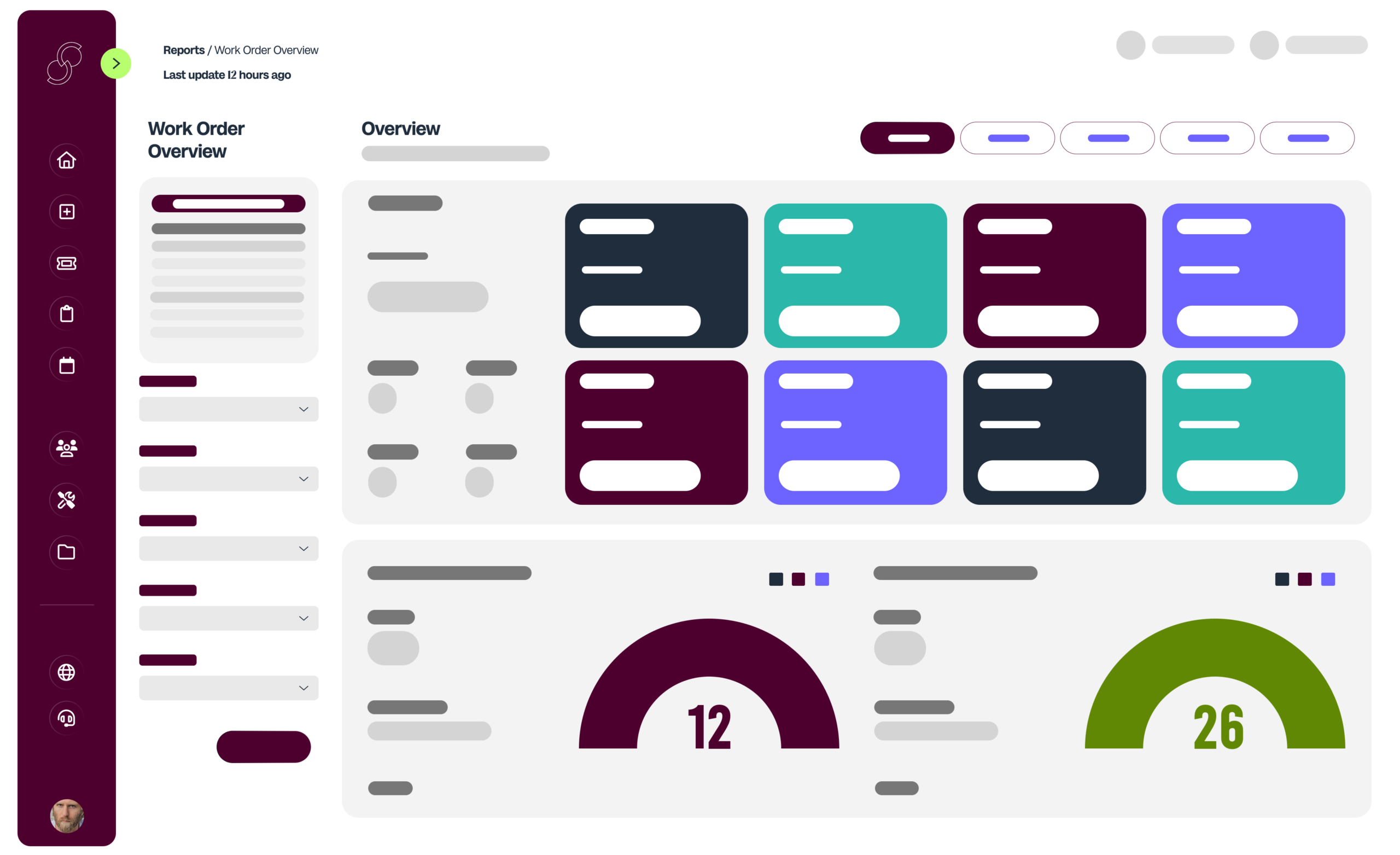
Wello integrates SLA awareness directly into the planning environment. Deadlines and response time constraints are visible when assigning jobs. This allows planners to prioritize correctly without maintaining separate tracking sheets.
Instead of discovering breaches after they happen, planners can see potential pressure points in advance.
Reducing travel without sacrificing responsiveness
Travel time directly affects daily job capacity. It increases cost and reduces the number of work orders that can be completed per day.
Wello supports route optimization and intelligent scheduling suggestions based on location, workload, and urgency. As technicians are assigned, routes can be structured more efficiently.
Over time, this reduces unnecessary travel and increases effective working time.
Planning becomes not only about filling time slots, but about organizing work geographically and logically.
Adapting to real-time changes
- Planning is never static.
- Jobs take longer than expected.
- Emergency calls must be inserted.
- Technicians encounter delays.
Wello allows planners to make adjustments immediately. Work orders can be reassigned. Time windows can be shifted. Capacity can be redistributed.
The planning view reflects current conditions, not yesterday’s assumptions.
This flexibility is essential in high-pressure service environments.
Connecting planning to execution data
Planning improves when it is informed by real execution data.
Wello captures actual working time, travel duration, and completion data from executed work orders. This information feeds back into future scheduling.
Over time, planning becomes more accurate because it is based on real performance, not estimates.
The result is a more stable and predictable service operation.
Structured planning at scale
As technician teams grow and operations span multiple regions, planning complexity increases naturally.
Wello keeps that complexity organized.
- It centralizes visibility.
- It aligns assignments with skills.
- It highlights time pressure.
- It reduces unnecessary travel.
- It allows controlled adjustments.
Planning becomes a managed process instead of daily improvisation.